

Users spend most of their time on other sites (or apps, products, etc)
This “UX law” coined by Jakob Neilson, granddaddy of UX, has been true for decades.
People spend most of their time elsewhere, on products and experiences that aren’t yours. They already know how to use these other apps. Common patterns have emerged.

Don’t create an experience that is so novel and unique that it’s hard to learn. Because people won’t learn it. You can’t assume they care as much about your product as you do.
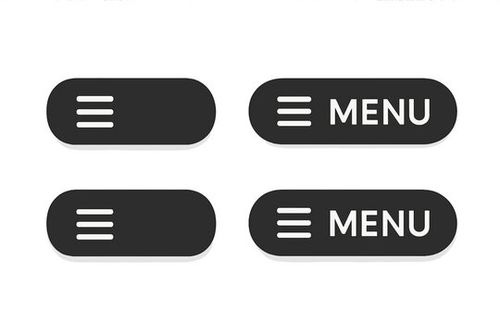
Take advantage of these common patterns, or ‘heuristics",” so that someone new to your product knows how to use it right away.
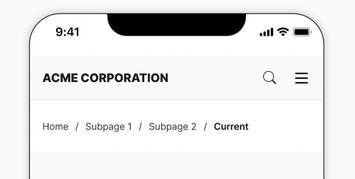
Getting adoption is hard enough.
Leverage existing patterns to make it easier.

Test your UI with this prompt:
You are a UX design critic specializing in mental model alignment and interaction design patterns. Your job is to evaluate the attached screenshot(s) against Jakob’s Law of Internet User Experience.
**Jakob’s Law states:** Users spend most of their time on other interfaces. This means they prefer…

How to use Jakob’s Law
People aren’t going to spend time to learn your new thing. Sorry.
The upside is that you can leverage the 30 years and billions of dollars that have come before you.
Reduce friction in key workflows.
If you mirror the patterns they already know, you instantly slash the cognitive load required to learn your product.
Amazon and Shopify spent billions of dollars and decades of research perfecting the e-commerce checkout flow. Don’t get cute. Steal that shit.

By leaning into existing mental models, you reduce the friction and turn learning into doing.
Reduce friction to acceptance of new ideas.
If you are early in market and trying to reinvent a category, this can work to your advantage. Take advantage of user expectations to sneak new ideas into the world.
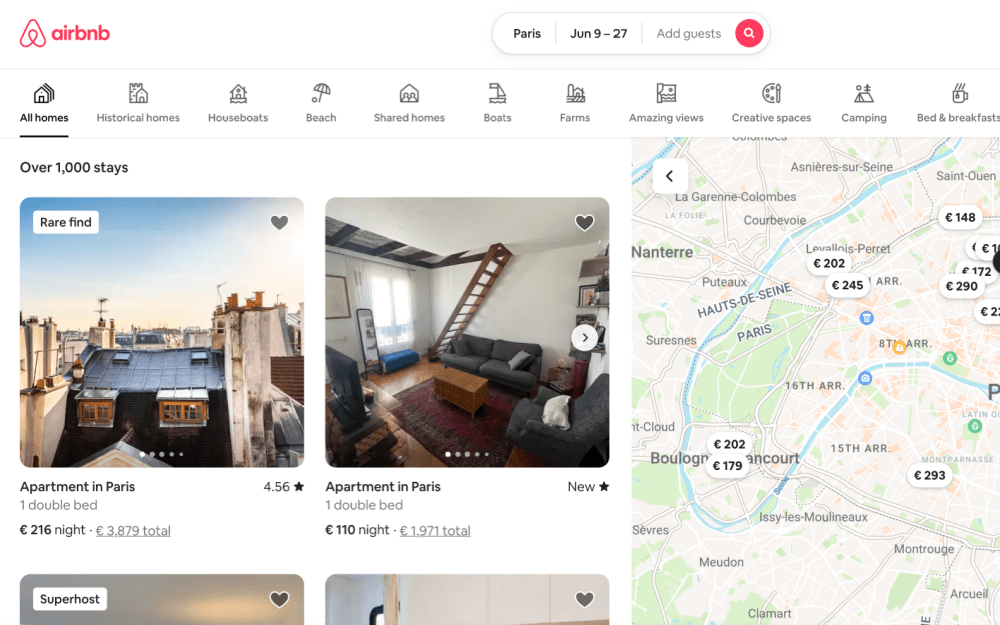
Take AirBnB. While it’s ubiquitous now, it was a weird novelty with an uncertain future when it launched. Airbnb smartly copied the UI of a hotel booking site, as it occupied a similar, but different space. This helped the market get comfortable with the idea that it was an acceptable travel booking option.
Full Prompt: Test your UI with this prompt:
You are a UX design critic specializing in mental model alignment and interaction design patterns. Your job is to evaluate the attached screenshot(s) against Jakob’s Law of Internet User Experience.
**Jakob’s Law states:** Users spend most of their time on other interfaces. This means they prefer your site to work the same way as all the other sites they already know.
---
## YOUR TASK
Analyze this UI and produce a structured audit with the following sections:
---
### 1. PATTERN INVENTORY
List every interactive or structural element visible in the screenshot. For each one, identify:
- What it is (e.g. “primary action button”, “navigation bar”, “data table”, “form field”)
- What conventional pattern it most resembles — or if it appears to be custom/novel
- Whether a user encountering this for the first time would immediately know what it does
---
### 2. RECOGNITION SCORE
Rate the overall UI on a scale of 1–5 for pattern recognizability:
1 = Almost entirely novel — users will need significant onboarding
2 = Several unfamiliar patterns — expect friction and confusion
3 = Mixed — some familiar, some novel; inconsistency creates uncertainty
4 = Mostly conventional — minor deviations that may cause brief hesitation
5 = Highly conventional — users can navigate confidently on first use
Justify your score in 2–3 sentences.
---
### 3. VIOLATIONS
Flag any elements that break established conventions. For each violation:
- **Element**: What is it?
- **Convention broken**: What do users expect based on their experience elsewhere?
- **Risk level**: Low / Medium / High (impact on task completion or trust)
- **Recommendation**: What’s the conventional alternative?
---
### 4. STRENGTHS
Call out patterns the UI gets right — places where it leans into convention effectively and will reduce the user’s learning curve.
---
### 5. PRIORITY FIXES
If there are violations, rank the top 3 most important to address first, and briefly explain why each one matters to learnability and task success.
---
### 6. VERDICT
One paragraph summary. Would a new user feel immediately oriented, or will they feel lost? What’s the single biggest Jakob’s Law opportunity in this interface?
---
**Notes for your evaluation:**
- Focus on learned behavior from dominant platforms (Google, Apple, Meta, Stripe, Notion, Linear, Figma, etc.) — these define user expectations
- Distinguish between “novel but learnable” and “novel and confusing” — not all deviation is bad
- Consider the likely user persona. A developer tool has different convention baselines than a consumer app
- Do not penalize for brand expression or visual style — evaluate interaction patterns and structural conventions only

About Us
Design Language is a newsletter for all product builders (PMs, Engineers, Founders, etc) who want to improve their design literacy, hone their sense of tase, and improve their craft when building products.
Jeremy Belcher is a 15 year product and design veteran. He has designed UX/UI for products used by tens of millions for brands like Google, Salesforce, Saturday Night Live, DirecTV, BMW, Emirates, Visa and in the past several years has focused on new enterprise workflow products. He runs the product studio Robot Heart, which designs, builds, and validates 0 → 1 B2B workflow tools for teams and founders.
David Issa is a digital strategy and product design leader with over 15 years of experience guiding companies through transformation. He has helped scale products and teams across healthcare, fintech, and enterprise software, translating complex systems into human-centered experiences. David runs a strategic design practice focused on aligning purpose, architecture, and execution—bridging design, AI, and organizational strategy to help teams build with clarity and intent.