



What Is Japandi?
Japandi is a hybrid design style that blends Japanese warmth with Scandinavian minimalism.
In practice, that means a style that is minimal yet warm, and simple without feeling empty.
In a digital world filled with noise and chaos, Japandi is used to create emotional calm and composure. It aims to build trust by reducing cognitive load.
This is a style for a premium, long term relationship, not a one-visit stand.
Core Principles
Reduction without emptiness
Nothing extra, but nothing missing.
Warm restraint
Soft contrast over stark extremes.
Space as structure
White and negative space to carry hierarchy.
Natural Colors
Subtle natural hues and light contrasts
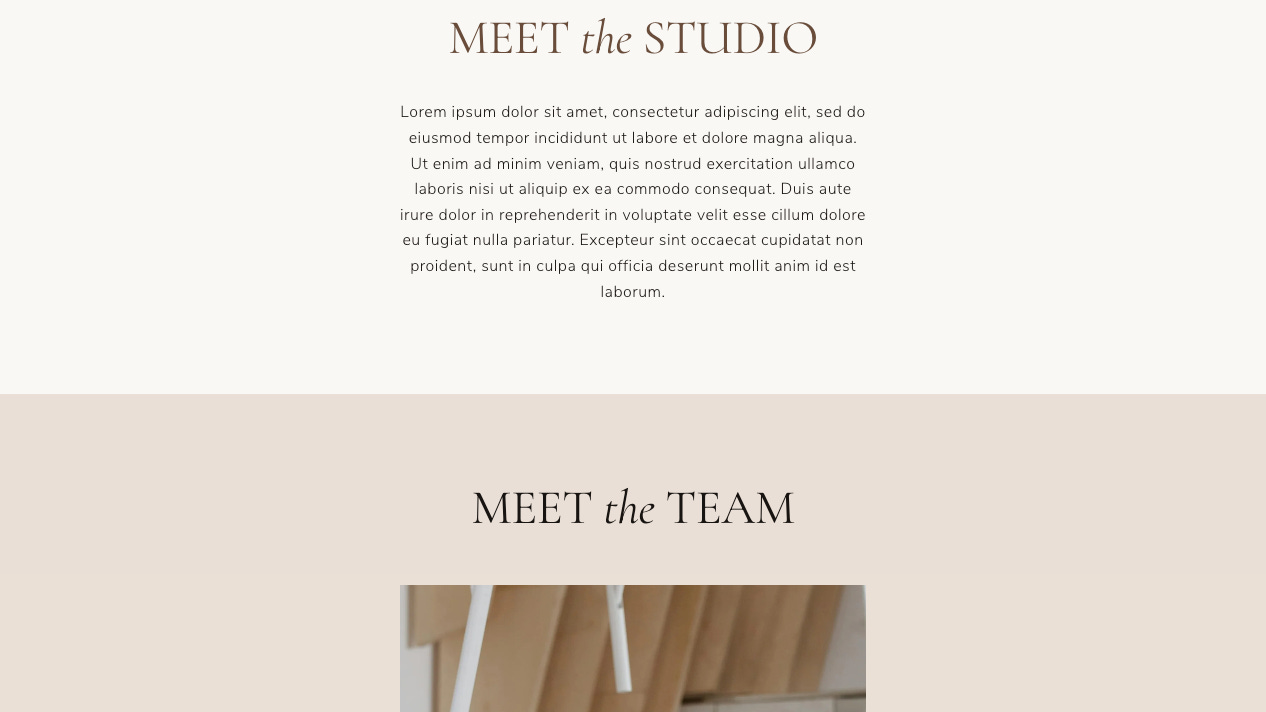
How the Style Behaves in a UI System
Color
Muted, warm neutrals dominate. Saturation is rare and intentional.

Typography
Humanist or soft grotesks. Generous line height. Hierarchy through spacing.

Layout
Fewer containers. Clear reading paths. Elements feel placed, not packed.
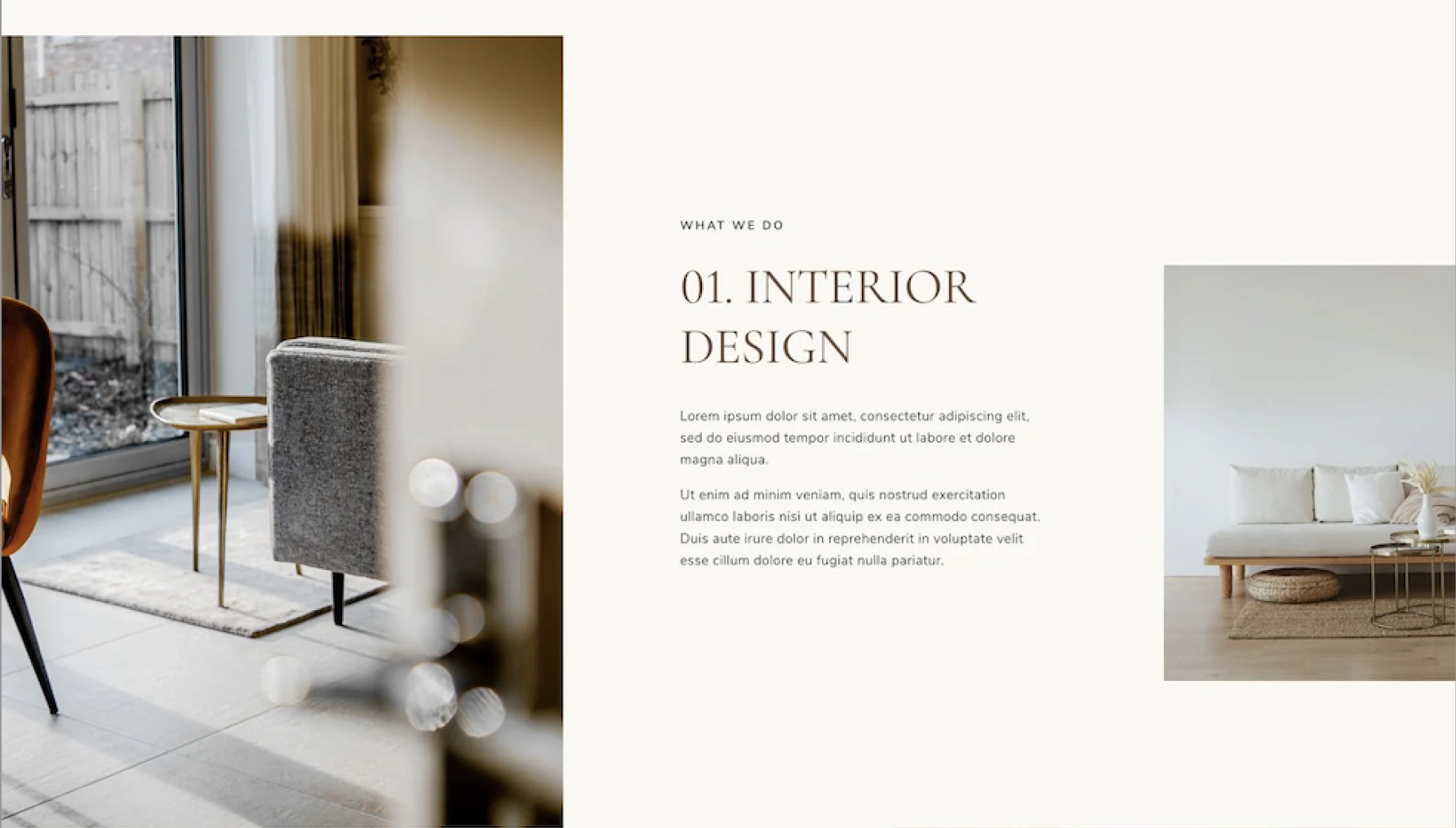
Surface & depth
Soft radii. Minimal elevation. Subtle grain to avoid sterility.

Where This Style Is Strong
Japandi is strongest when you want to build trust by slowing down and engaging with your audience. You are inviting them to linger.
This is not a style that promotes urgency, but rather a longer term and continuous relationship, whether with readers on your publication, or a product with a long or considered sales cycle.
This makes it effective for:
Healthcare and wellness platforms
Knowledge and editorial products
Premium B2B tools
Lifestyle brands that value quiet authority
Where This Style Breaks Down
Every style has failure modes. In the case of Japandi, be careful of CTA’s getting lost, not enough contrast between design elements, and oversimplification to the point of uselessness.

How to use this today
Use Japandi when calm can be a competitive advantage.
In a world of loud interfaces and manufactured urgency, it chooses restraint, trust, and inevitability.
Interested in other styles? Check out our growing Style Library.

LLM Prompt
How to get this style from your robot:
Apply a Japandi design style to [describe your UI/component/screen]. Japandi blends Japanese warmth with Scandinavian minimalism — the result should feel calm, deliberate, and visually durable.
Follow these principles:
Color: Use muted, warm neutrals (warm whites, soft taupes, earthy beiges, dusty greens or blues). Keep saturation very low. If an accent color is used, use it sparingly and with intention.
Typography: Use a humanist or soft grotesk typeface. Set generous line height. Establish hierarchy through spacing and weight, not size alone.
Layout: Reduce containers and visual clutter. Every element should feel placed, not packed. Use whitespace as structure, not as filler.
Surfaces: Use soft border radii. Minimize shadows and elevation. Introduce subtle texture or grain where needed to avoid sterility.
Tone: Avoid urgency. Avoid stark contrast. The interface should build trust slowly and reward the user’s attention over time.
Do not add decorative elements for the sake of it. If something can be removed without losing meaning, remove it.

About Us
Design Language is a newsletter for all product builders (PMs, Engineers, Founders, etc) who want to improve their design literacy, hone their sense of tase, and improve their craft when building products.
Jeremy Belcher is a 15 year product and design veteran. He has designed UX/UI for products used by tens of millions for brands like Google, Salesforce, Saturday Night Live, DirecTV, BMW, Emirates, Visa and in the past several years has focused on new enterprise workflow products. He runs the product studio Robot Heart, which designs, builds, and validates 0 → 1 B2B workflow tools for teams and founders.
David Issa is a digital strategy and product design leader with over 15 years of experience guiding companies through transformation. He has helped scale products and teams across healthcare, fintech, and enterprise software, translating complex systems into human-centered experiences. David runs a strategic design practice focused on aligning purpose, architecture, and execution—bridging design, AI, and organizational strategy to help teams build with clarity and intent.